
Customs & life
Dance in Hasidic Life דער חסידישער טאנץ
From the Rebbe's tish to the mitzvah tantz — why dancing is, for Chassidim, a part of serving God
Edit / add infoFor Chassidim, dance is a way of serving Hashem with joy. This article explains its foundation in Chassidus, the dancing at the Rebbe's tish, and the ancient wedding custom of the mitzvah tantz.
Contents (6)
Dance as Divine Service
Among Chassidim, dancing is never mere entertainment. In Hasidic teaching, dance is a vessel for expressing joy, and it is believed to purify the soul, raise a person spiritually and unite the community [2]. Dance is also regarded as a way of awakening joy, which has a healing effect on a person [2].
The roots of this idea lie in one of the foundations of Chassidus: avodah b'gashmiyus, serving God through the physical. Chassidus teaches that holy sparks are hidden throughout the world, and that through simple acts — such as dancing or eating — performed with proper intent, one can redeem those sparks and elevate them [3]. In this way, a dance at a simcha or at the Rebbe's table becomes part of serving Hashem.
At the Rebbe's Tish
On Shabbos, Yom Tov and joyous occasions, the Rebbe conducts a tish — a great festive meal with his Chassidim. They sing, dance and eat together; the Rebbe gives his Chassidim his hand and blesses them, and often delivers words of Torah [3]. In the larger courts, the Chassidim stand on tall tiered bleachers (parentches) surrounding the table [3].
Dancing at Jewish Celebrations
In the shtetlach of Eastern Europe, dancing to klezmer music was a fixed part of every wedding. Jewish dances were influenced by the surrounding peoples, but with clear differences, chiefly in the movements of the hands, and with more intricate footwork among the young men [2]. Halacha required separate circles for men and for women [2] — a custom Chassidim keep to this day.
The Mitzvah Tantz
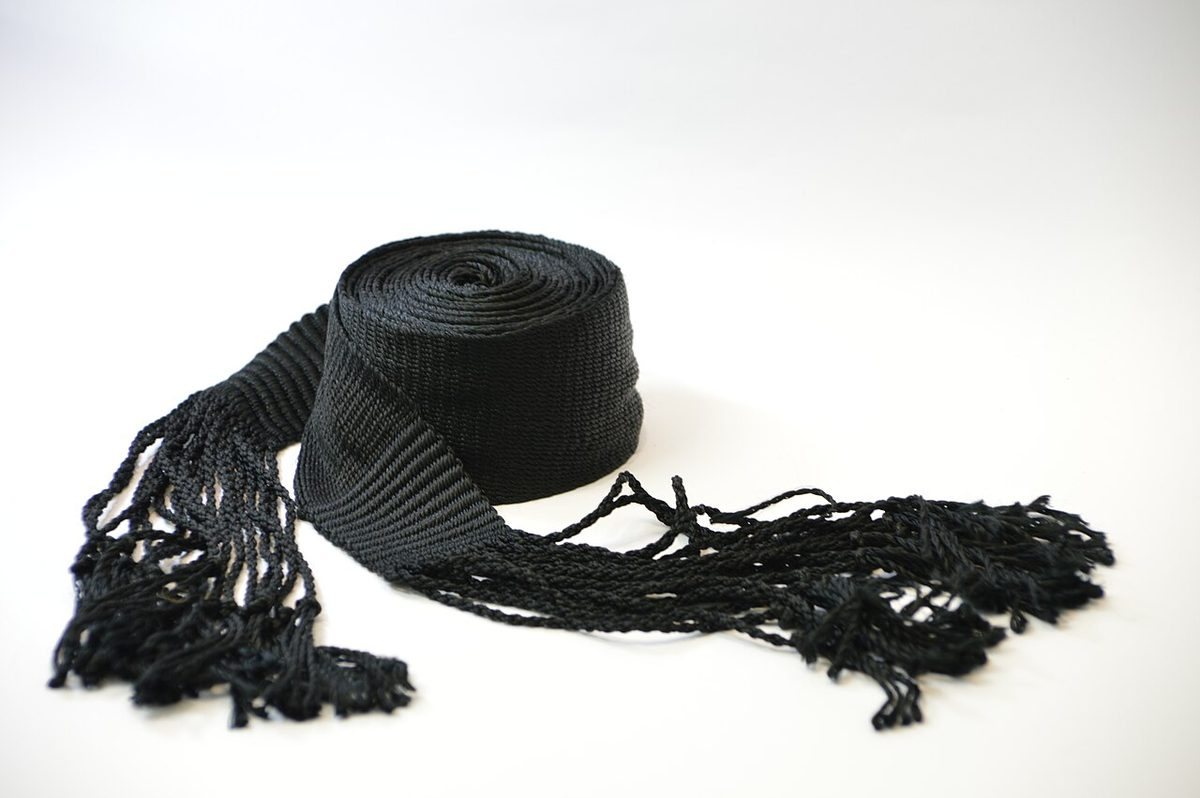
One of the best-known Hasidic wedding customs is the mitzvah tantz. After the meal, on the wedding night, the men dance before the kallah. The kallah usually stands quietly to one side, holding one end of a long gartel or sash while the dancer holds the other end [1]. Often the kallah's father or grandfather dances, and the chassan and his close relatives dance one after another [1]. It is usually a deeply emotional moment, as the dancer quietly prays for the success of the match [1].
The custom is older than Chassidus. It is already mentioned in the medieval Machzor Vitry, and its basis is in the Gemara (Tractate Kesubos): "Keitzad merakdin lifnei hakallah" — how does one dance before the bride [1]. Most Orthodox circles no longer observe it, but Chassidim have preserved a form of the ancient custom, and dancing before the kallah is considered a great honor [1]. The custom is that only close relatives dance [1].
A Wedding in a Rebbe's Family
At the wedding of a child or grandchild of a well-known Rebbe, the mitzvah tantz becomes an occasion for the whole community. Thousands of Chassidim gather to watch the Rebbes and rabbanim dance, and it can stretch through the entire night until dawn [1][3]. The women usually watch from a raised women's gallery [1].
A Bond Across Generations
From the tish in an old beis medrash to a wedding in a vast hall in Brooklyn or Jerusalem, Hasidic dance binds today's generation to the customs of its grandfathers. Shuki Pedia's video "When Hasidic Jews Hit the Dance Floor" shows just how alive dance remains among Chassidim today.
Sources
Last updated: October 21, 2026. Spotted an error? Let us know.

Comments & discussion
Write a comment
No comments yet. Be the first.