
Hasidic dynasty
Satmar סאטמאר
The largest Hasidic group in the world — from Szatmár in Hungary to Williamsburg and Kiryas Joel
Edit / add infoSatmar was founded in 1905 by Rabbi Yoel Teitelbaum in the town of Szatmár (today Satu Mare, Romania). After the war the Rebbe transplanted the Chassidus to Williamsburg, and today it is one of the largest Hasidic groups in the world. Since 2006 two brothers, Rabbi Aaron and Rabbi Zalman Leib Teitelbaum, have led separate communities.
Contents (5)
Beginnings in Hungary
Satmar traces its roots to the House of Sighet. After the passing of the Sigheter Rebbe, Rabbi Chananya Yom Tov Lipa Teitelbaum, in 1904, his elder son Rabbi Chaim Tzvi assumed the leadership, but some of the Chassidim were drawn to the younger son, Rabbi Yoel. On September 8, 1905, Rabbi Yoel settled in Szatmár (in Hungarian: Szatmárnémeti), and his followers came after him [1].
Rabbi Yoel later served as rav in Ilosva (1911) and in Nagykároly (1925). In 1928 he was elected rav of Szatmár itself, and after a dispute within the community he took up the post in 1934 [1]. He became a leading voice of the strictly Orthodox public, and a fierce opponent of Zionism and of Agudath Israel [1].
Destruction and Rescue
In 1944, when the Germans entered Hungary and the deportations began, his Chassidim paid a large sum so that the Rebbe could board the "Kasztner train." He reached Switzerland in December 1944, and soon afterward Eretz Yisroel. Many of Satmar's Jews perished in the Holocaust [1].
Rebuilding in America
On September 26, 1946, the Rebbe arrived in New York and settled in Williamsburg with a small group of Chassidim [1]. In 1948 they founded "Kehal Yetev Lev." The Rebbe held that the community should be entirely self-sufficient, without support from other groups, and the Chassidim established their own businesses and institutions [1].
The community grew quickly: in 1961 it numbered some 4,500 souls in Williamsburg, and by 1968 Satmar was already the largest Hasidic group in New York [1]. The Rebbe insisted that Yiddish remain the Chassidim's main language, and the community built an entire education system and publishing houses in Yiddish [1].
In 1974 construction began on Kiryas Joel in Monroe, New York, which became a separate municipality in 1977. Rabbi Yoel passed away on August 19, 1979 [1].
Successors and Two Rebbes
Rabbi Yoel left no children. His nephew, Rabbi Moshe Teitelbaum, the son of Rabbi Chaim Tzvi, was proclaimed Rebbe in 1980 [1]. In 1984 Rabbi Moshe appointed his eldest son, Rabbi Aaron, as rav in Kiryas Joel, and in 1999 his son Rabbi Zalman Leib became rav in Williamsburg [1].
After Rabbi Moshe's passing in 2006, each side proclaimed its own candidate as Rebbe. Since then Rabbi Aaron Teitelbaum has led the community in Kiryas Joel, and Rabbi Zalman Leib Teitelbaum the community in Williamsburg [1][2].
Today
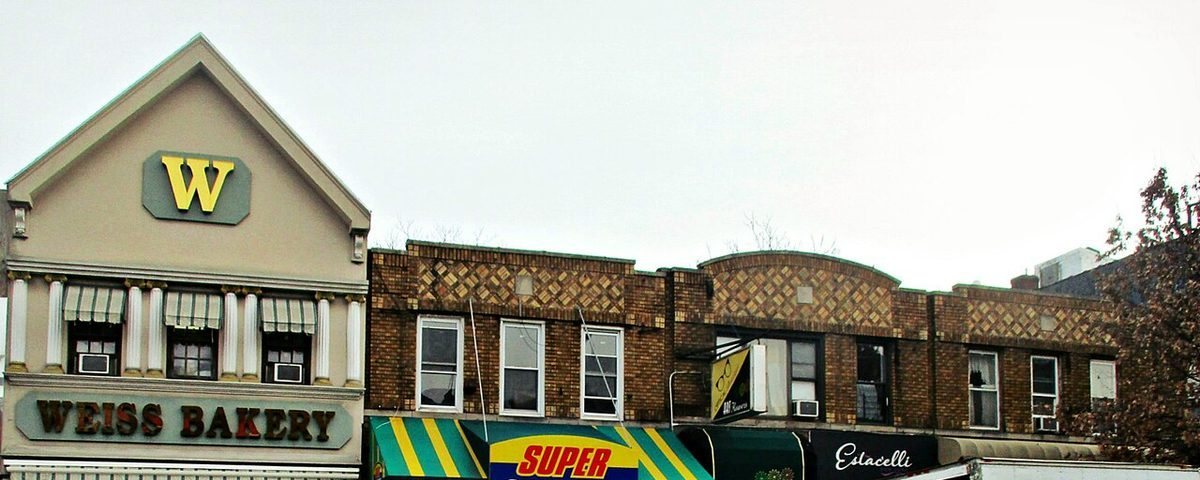
The two largest Satmar communities are in South Williamsburg and in Kiryas Joel. There are also significant communities in Borough Park, Monsey and Bloomingburg, and further afield in Los Angeles, Lakewood, Montreal, Antwerp, London, Manchester and elsewhere [1]. According to research by Prof. Marcin Wodziński, around 2016 Satmar numbered roughly 26,000 households — the largest Hasidic group in the world [1]. Satmar also leads the Hisachdus HaRabbonim (Central Rabbinical Congress) [1].
Sources
- 1WikipediaSatmar (Hasidic dynasty)accessed October 20, 2026
- 2ויקיפדיה העבריתחסידות סאטמרaccessed October 20, 2026
Businesses in the area
Know more? Send us info
Last updated: October 20, 2026. Spotted an error? Let us know.




Comments (0)
No comments yet. Be the first!